One would – one often is – be mistaken, though, for the person who makes a living from “Inn-keeping and smithing-work” is a woman, more precisely, Mrs Maren Sophie Knudsdatter, a 48 year old widow, for the second time, with “housewife” noted as her position in the family[1].
In reality, one imagines, at least one if not both of her husbands – the first called Søren, the second Gjert, judging from the patronymics used Maren Sophie’s children, would have been the black-smith and Maren Sophie has inherited the business and keeps it in order to hand it over to her oldest son, Christen Lorentz Sørensen who, himself, at the age of 24 is a Master Blacksmith.
Another dimension of this little speculation is that Maren Sophie probably looked after the inn-keeping business in a personal manner; the children of the second marriage are on the young side to be useful with anything but the simpler tasks, and any way they are both boys who have been apprenticed to their mother: another somewhat fictional arrangement as one would presume they are learning from their half brother rather than the mother.
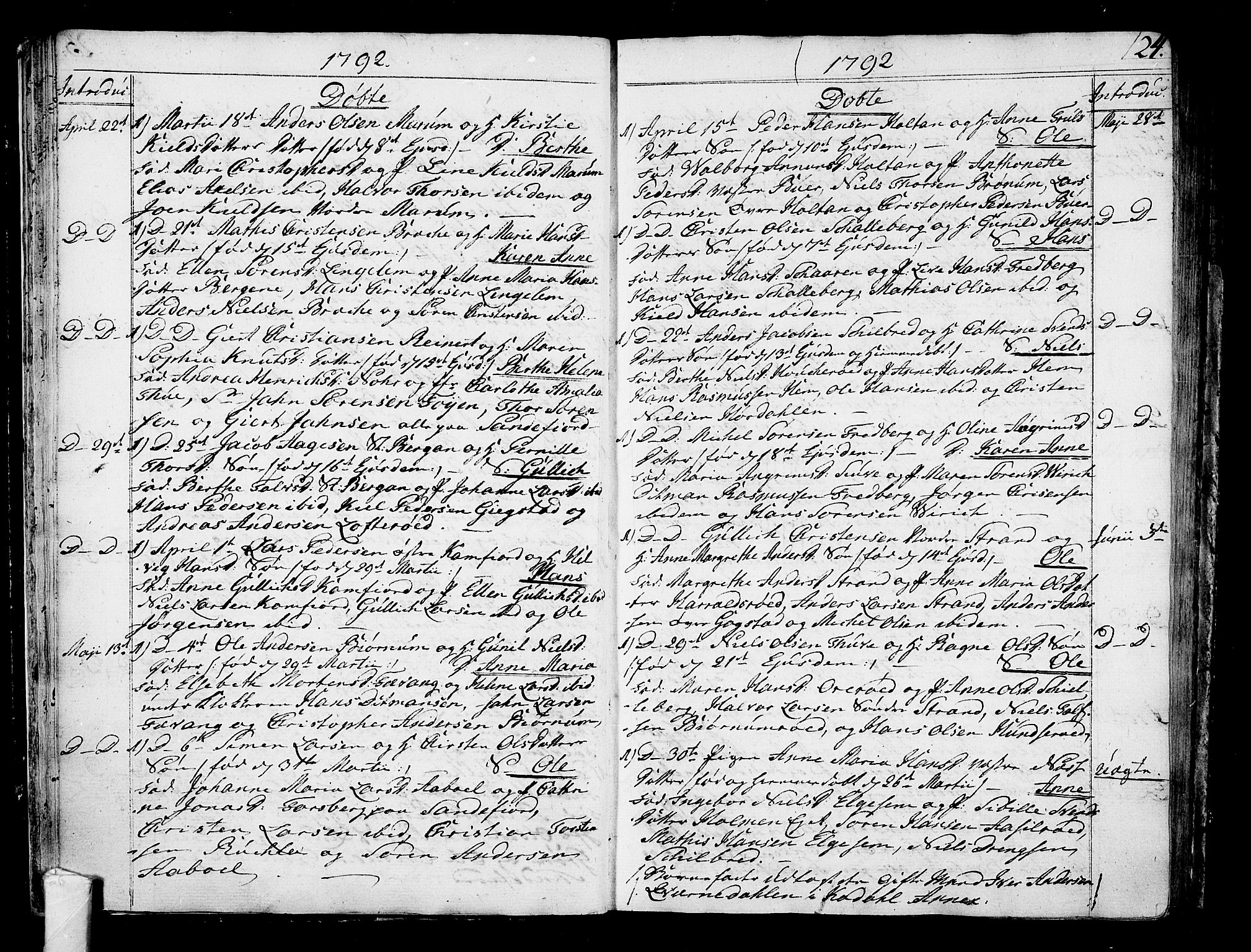
The last child is little Berthe Heleene, who is 9 years old at this time. Her christening can be found in the parish records for Sandar, which shows she was baptised[2] on 22 April 1792, daughter of Giert Christiansen Reinert and wife Maren Sophie Knudsdatter. Witnesses included Andrea Henrichsd Sohr (?); Jfr Charlotte Anglia Thue; Sr Jahn Sörensen Töyen, Thor Sörensen; and Giert Jahnsen – all, it seems, from Sandefjord or – as the entry appears to say – “on” (paa) Sandefjord.
In 1801, Maren Sophie and her family lived at 2, Væstre Gade and a few houses away, at number 7, we find one Ole Christansen Reinert, aged 50, and an able-bodied seaman noted as sailing internationally, and his family consisting of a wife (both in the first marriage) and their two small children[3]. This Ole must be the brother of Giert, one presumes.
Intriguingly, there is another blacksmith with an interesting name, Reiner, in Sandefjord at the time: Jeremias Andreasen Reiner and his family live in house 20 in Væstre Gade, and has, as his occupation, Master Blacksmith and Inn-keeper. There is absolutely no evidence f a connection, so far, but it is striking that there are two blacksmiths who also run inns just a few houses apart in a small village that contains no more than 373 souls.
An intriguing possibility:
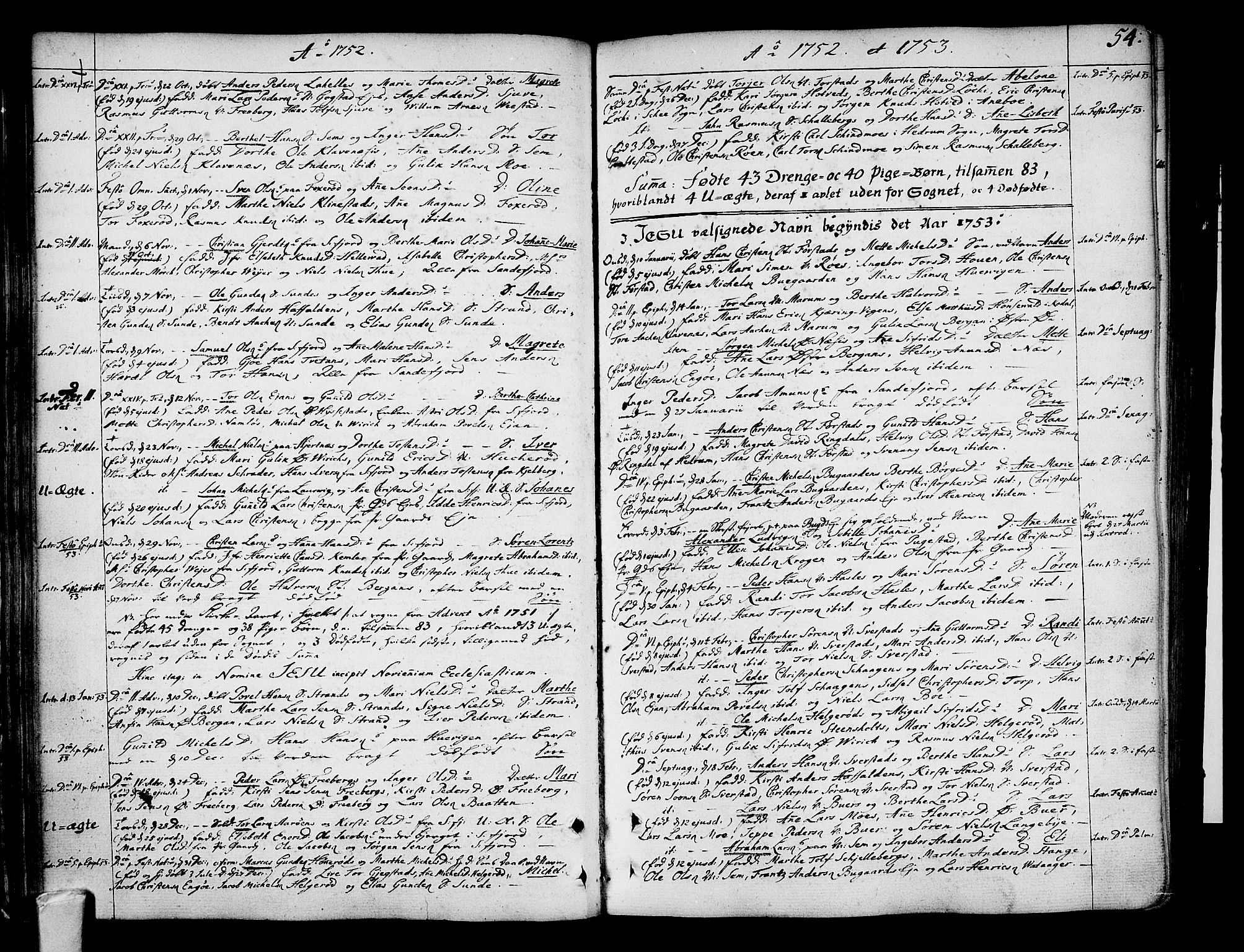
Looking for a record of Maren Sophie’s baptism, the christening of one Sören-Lorentz was found in the parish records for Sandar for the year 1753, where a boy of that name is noted to have been baptized 29 November, the son of Christen Larsen and Hana Hansd, paa Sandefjord[4].
This child seems to have died young, as he is not included in the 1762 material[5], whereas both parents are there, with three children of their own: Laers, Zyverine, and Johannes, all with Christen as their patronymic, and then a fourth child called Anne Lisbeth Jensdatter, whom they may have fostered or otherwise looked after.
In any case, it is the combination of given names that is of interest here, as Maren Sophie’s two older sons both have the name Lorentz and the eldest even Sören Lorentz, which may or may not be a clue to a relationship.
And with that, today’s speculation endeth.
[2] Kildeinformasjon: Vestfold fylke, Sandar, Ministerialbok nr. 3 (1789-1814), Fødte og døpte 1792, side 24.
Permanent sidelenke: http://www.arkivverket.no/URN:kb_read?idx_kildeid=8225&idx_id=8225&uid=ny&idx_side=-26
Permanent bildelenke: http://www.arkivverket.no/URN:NBN:no-a1450-kb20070426650725.jpg
Permanent sidelenke: http://www.arkivverket.no/URN:kb_read?idx_kildeid=8225&idx_id=8225&uid=ny&idx_side=-26
Permanent bildelenke: http://www.arkivverket.no/URN:NBN:no-a1450-kb20070426650725.jpg
[4] Kildeinformasjon: Vestfold fylke, Sandar, Ministerialbok nr. 2 (1733-1788), Fødte og døpte 1753, side 54. Permanent sidelenke: http://www.arkivverket.no/URN:kb_read?idx_kildeid=8224&idx_id=8224&uid=ny&idx_side=-57 Permanent bildelenke: http://www.arkivverket.no/URN:NBN:no-a1450-kb20070426650463.jpg